
Back Pain Causes for Chandler Laborers
Occupational Health, Laborer Injuries, Workplace Ergonomics
Common Causes of Back Pain for Chandler Tradesmen and Laborers
Back pain is one of the most frequent and costly laborer injuries affecting Chandler tradesmen and manual workers across construction, landscaping, warehousing, and related fields. Understanding the common causes of back pain and the role of workplace ergonomics is essential to protecting manual labor health, reducing downtime, and maintaining a sustainable career in physically demanding trades. For many workers, partnering with a trusted provider like Desert Light Chiropractic can also be a key part of staying on the job and out of the hospital.
Why Back Pain Is So Common Among Chandler Tradesmen
Tradesmen and laborers in Chandler work in a fast-growing region marked by ongoing commercial and residential development. Long shifts in the desert heat, tight project timelines, and repetitive physical tasks create the perfect conditions for back strain. Unlike office-based roles, manual labor health risks are immediate and visible: sore muscles at the end of a shift, stiffness the next morning, or a sudden sharp pain that makes it impossible to continue working. When left unaddressed, these issues can progress from temporary discomfort to chronic, career-limiting back pain. This is where early evaluation and conservative care at Desert Light Chiropractic can help keep small problems from turning into major injuries.
Common Causes of Back Pain in Manual Labor Roles
While every job site is different, several common causes of back pain show up repeatedly among Chandler tradesmen and laborers. Recognizing these patterns is the first step in preventing laborer injuries and promoting safer workplace ergonomics.
1. Improper Lifting Techniques and Heavy Loads
Lifting and carrying heavy materials is part of daily life for carpenters, electricians, plumbers, concrete workers, and general laborers. Back pain often develops when loads are lifted with a rounded spine, twisted torso, or sudden jerking motion. These movements place excessive stress on the spinal discs and supporting muscles, increasing the risk of sprains, strains, and disc injuries. Even strong, experienced workers are vulnerable when they rush, work while fatigued, or underestimate the weight of materials such as pavers, drywall, or toolboxes.
2. Repetitive Bending, Twisting, and Reaching
Many laborer injuries are not the result of a single heavy lift but of repeated, smaller movements performed hundreds of times per day. Tasks such as shoveling, tying rebar, installing flooring, or loading materials onto pallets require frequent bending and twisting. Over time, these repetitive motions fatigue the lower back muscles and can lead to inflammation and microtears. Without adequate rest or variation in movement, this cumulative strain becomes a persistent source of back pain for manual labor health across all trades.
3. Awkward and Sustained Postures on the Job Site
Chandler tradesmen frequently work in confined or uneven spaces: under sinks, inside crawlspaces, on scaffolding, or along sloped terrain. Maintaining awkward positions—such as prolonged kneeling, overhead reaching, or working while half-turned—places continuous pressure on the spine and supporting muscles. Poor workplace ergonomics, such as tools or materials stored too low or too high, can force workers into these positions throughout the day, compounding the risk of back pain and other musculoskeletal laborer injuries.
4. Vibration and Impact from Tools and Equipment
Operating jackhammers, compactors, and other vibration-heavy tools can contribute to back pain by transmitting continuous shock through the hands, arms, and spine. Similarly, tradesmen who frequently jump on and off trucks, trailers, or equipment platforms experience repeated impact forces on the lower back. Over time, these stresses can accelerate wear on joints and discs, especially when combined with other common causes of back pain such as poor lifting technique or weak core muscles.
5. Fatigue, Dehydration, and Heat Exposure
Chandler’s desert climate adds another layer of risk to manual labor health. High temperatures and direct sun exposure contribute to dehydration and fatigue, both of which reduce muscle endurance and coordination. When workers are tired, they are more likely to slouch, misjudge loads, or skip safe lifting steps, increasing the likelihood of acute back injuries. Over the course of a long summer season, this combination of environmental stress and physical strain can significantly elevate the risk of chronic back pain among tradesmen and laborers.
6. Insufficient Recovery and “Pushing Through” Pain
Project deadlines and a strong work ethic often lead Chandler tradesmen to push through discomfort instead of addressing early signs of back strain. Skipping rest days, ignoring mild pain, or relying solely on over-the-counter pain relievers can allow minor injuries to progress. Without proper recovery, small strains accumulate, eventually resulting in more serious laborer injuries that require medical care, modified duty, or even time off work. Timely chiropractic care at Desert Light Chiropractic can interrupt this cycle by addressing the source of pain before it becomes disabling.
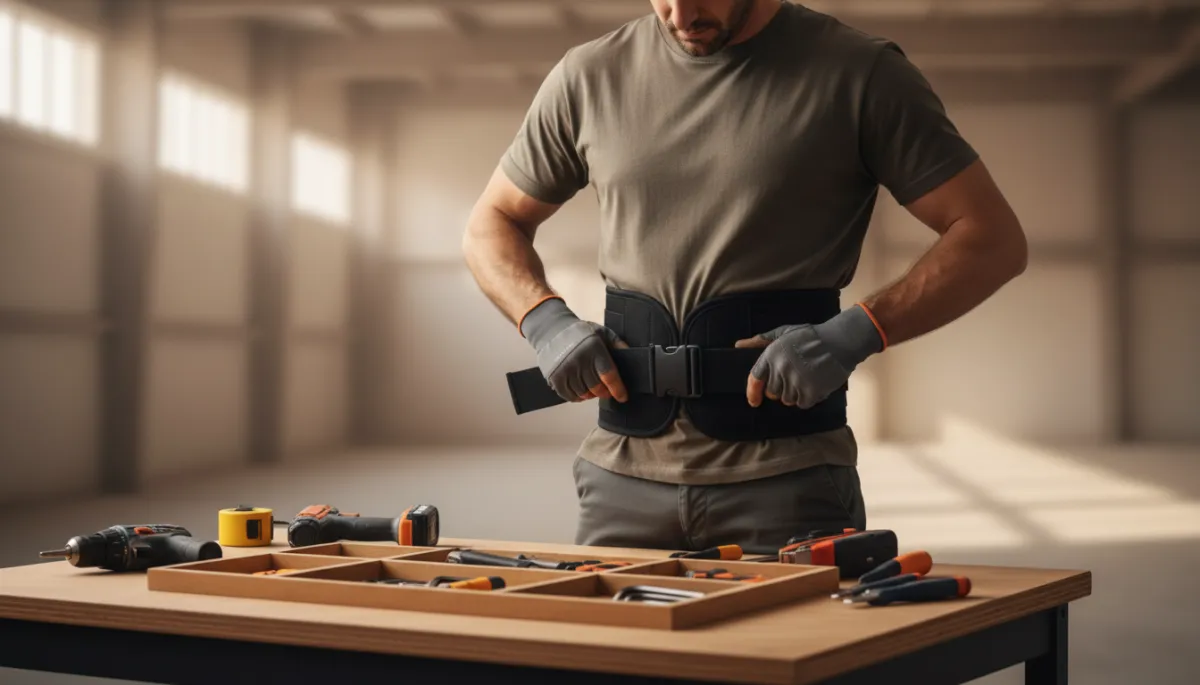
Small ergonomic adjustments on site can significantly reduce daily back strain.
The Role of Workplace Ergonomics in Preventing Laborer Injuries
Workplace ergonomics focuses on designing tasks, tools, and environments to fit the worker, rather than forcing the worker to adapt to unsafe conditions. For Chandler tradesmen and laborers, practical ergonomic improvements can make a measurable difference in reducing back pain and other musculoskeletal injuries. Thoughtful planning and small adjustments often have more impact than expensive equipment alone.
Material handling aids: Using dollies, carts, lift tables, and hoists to move heavy items instead of relying solely on manual lifting.
Tool and material placement: Storing frequently used tools between knee and chest height to reduce bending and overhead reaching.
Task rotation: Alternating physically demanding tasks with lighter duties to give the back time to recover during the shift.
Supportive surfaces: Using anti-fatigue mats for prolonged standing and ensuring stable, level footing wherever possible.
📌 Key Takeaway: Effective workplace ergonomics does not require complex redesigns. Incremental improvements in how tools, materials, and tasks are organized can significantly reduce common causes of back pain for manual workers. When combined with supportive care from Desert Light Chiropractic, these changes can help workers stay healthier and on the job longer.
Building a Culture of Manual Labor Health in Chandler
Reducing back pain among Chandler tradesmen is not solely the responsibility of individual workers. Contractors, supervisors, and business owners also play a crucial role in shaping a culture that prioritizes manual labor health and long-term employability. When leadership models safe practices and invests in training, workers are more likely to adopt protective habits and speak up about potential hazards before they lead to serious laborer injuries. Partnering with local providers such as Desert Light Chiropractic gives crews a trusted resource for evaluation, treatment, and education tailored to the demands of the trades.
Regular safety briefings: Incorporate short discussions on safe lifting, hydration, and early signs of back strain into daily or weekly toolbox talks.
Access to training: Provide practical demonstrations of proper lifting techniques, use of mechanical aids, and simple stretching routines tailored to the tasks performed by your crew.
Encouraging early reporting: Create an environment where workers feel comfortable reporting discomfort or near-miss incidents without fear of blame or lost hours.
Providing appropriate PPE and supports: Ensure access to quality footwear, back support belts when appropriate, and cooling strategies suited to Chandler’s climate.
💡 Pro Tip: Employers can work with Desert Light Chiropractic to develop customized on-site education and referral pathways so injured workers receive timely, conservative care instead of waiting until the pain is severe.
Practical Self-Care Strategies for Tradesmen and Laborers
Alongside improved workplace ergonomics, individual habits can strongly influence back health. Simple, consistent actions help Chandler tradesmen stay resilient despite the physical demands of their work.
Warm-up before work: Five to ten minutes of light movement and dynamic stretching before a shift can prepare muscles and joints for lifting and bending.
Maintain core strength: Simple exercises such as planks, bridges, and bodyweight squats performed several times per week support the spine and reduce the load on the lower back.
Hydrate and rest: Regular water breaks and short pauses to reset posture are especially important in Chandler’s heat, helping prevent fatigue-related back injuries.
Listen to early warning signs: Persistent stiffness, localized soreness, or pain that worsens over several days should prompt a conversation with a supervisor or healthcare professional, rather than being ignored. Desert Light Chiropractic offers evaluations for these early warning signs so you can address them before they sideline you from work.
⚠️ Warning: Sudden, severe back pain, pain radiating down the leg, or loss of strength can indicate a serious injury. Workers should stop the activity immediately and seek prompt medical evaluation.
Turning Awareness into Action on Chandler Job Sites
Back pain may be a common outcome of demanding physical work, but it is not an inevitable cost of being a tradesman or laborer in Chandler. By understanding the common causes of back pain—improper lifting, repetitive motion, awkward postures, vibration, environmental stress, and inadequate recovery—workers and employers can take targeted steps to reduce risk. Investing in workplace ergonomics, promoting manual labor health, and encouraging open communication about discomfort all contribute to fewer laborer injuries and more sustainable careers in the trades.
For Chandler tradesmen, protecting your back is ultimately about protecting your livelihood. Each safe lift, each ergonomic adjustment, and each moment spent addressing minor pain before it escalates is an investment in your ability to continue doing the skilled, essential work that keeps the city growing. With a proactive approach and shared commitment from both workers and management, back pain can be managed, minimized, and, in many cases, prevented altogether. Care at Desert Light Chiropractic is designed to support that proactive approach, helping reduce pain, improve movement, and keep you working safely.
📌 Key Evidence: Studies show that when chiropractic care is part of a worker’s treatment plan, total medical expenses can be reduced by up to 74%, and far fewer opioid prescriptions are needed. Choosing conservative care first with Desert Light Chiropractic can mean less downtime, lower costs, and safer pain relief.